





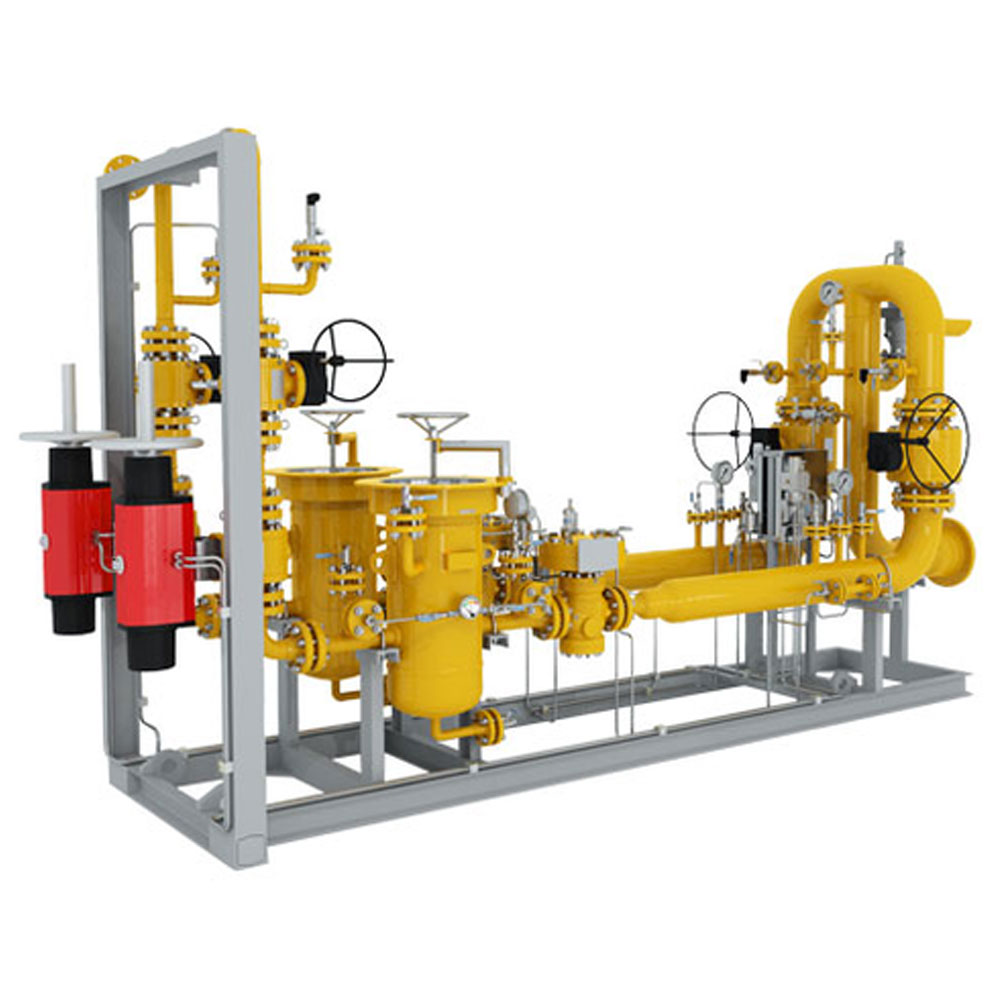
Compressed Natural Gas CNG pressure reduction systems play a crucial role in regulating gas pressure from high levels to safe levels before use in equipment and production lines. Regular maintenance and repair not only ensure stable system operation but also guarantee safety, save costs, and extend equipment lifespan.
CNG (Compressed Natural Gas) is compressed natural gas extracted from natural gas fields or as associated gas during oil extraction. It undergoes purification to remove impurities and heavy components, then is transported via pipelines to a gas compression plant or directly compressed into CNG tankers. The natural gas is compressed to a pressure of 200-250 bar at ambient temperature to reduce storage tank volume, increase efficiency, and lower transportation costs via road, rail, and water.
Why is regular maintenance of CNG pressure reduction systems necessary?
Prevents gas leaks, reducing the risk of fire and explosion.
Ensures stable output pressure that meets technical standards.
Minimizes unexpected breakdowns, avoiding production interruptions.
Reduces major repair and equipment replacement costs.
Service and Maintenance Scope
We provide comprehensive services for CNG pressure reducing systems, including:
Overall inspection of the station and pressure reducing unit
Cleaning and calibration of primary and secondary pressure reducing valves
Inspection and replacement of valve diaphragms, seals, and gaskets
Assessment of the accuracy of pressure gauges and sensors
Addressing gas leaks, vibrations, and unstable pressure reduction
Repair or replacement of damaged components
Testing, calibration, and acceptance of the system after maintenance
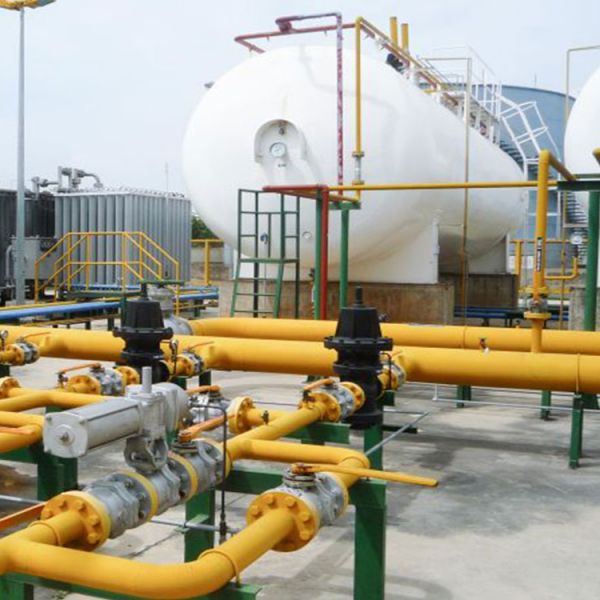
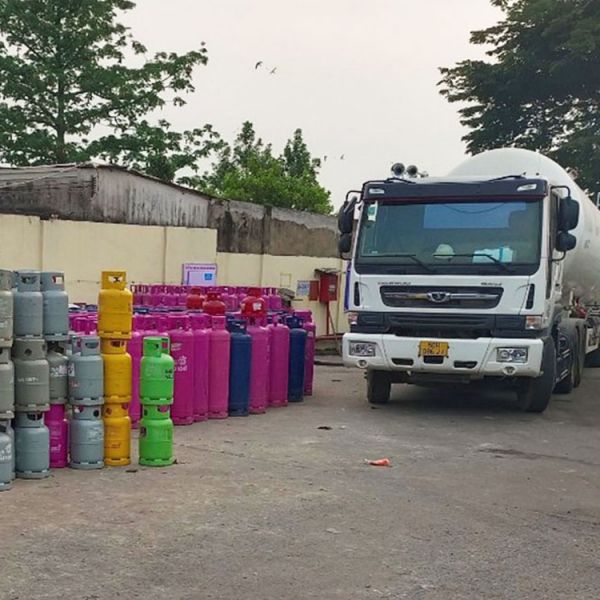
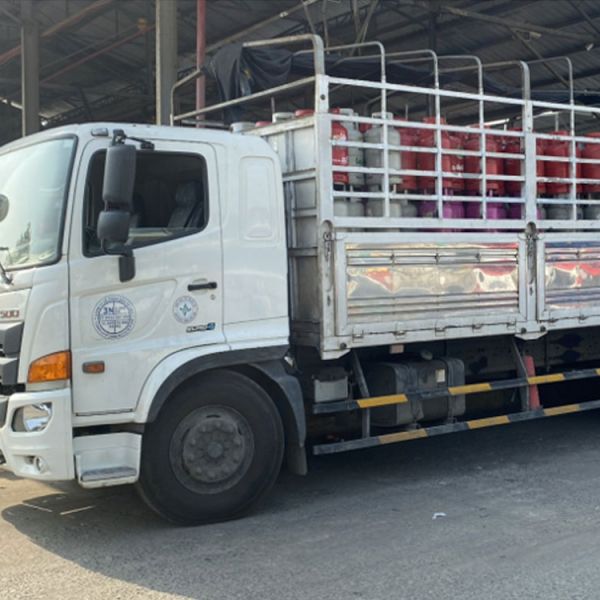
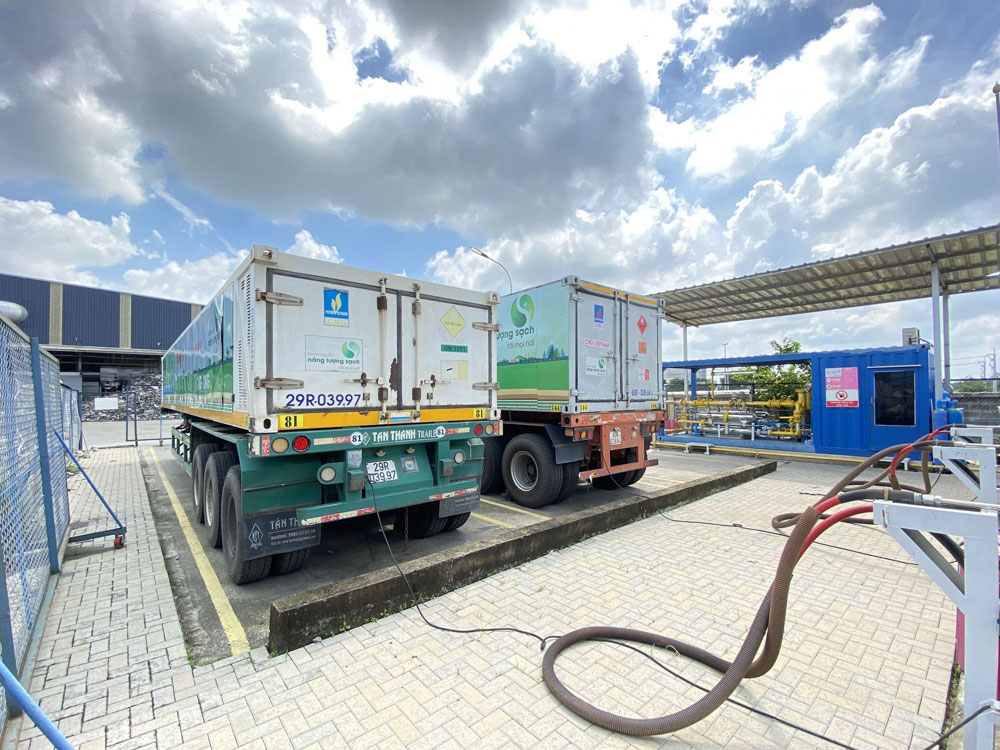
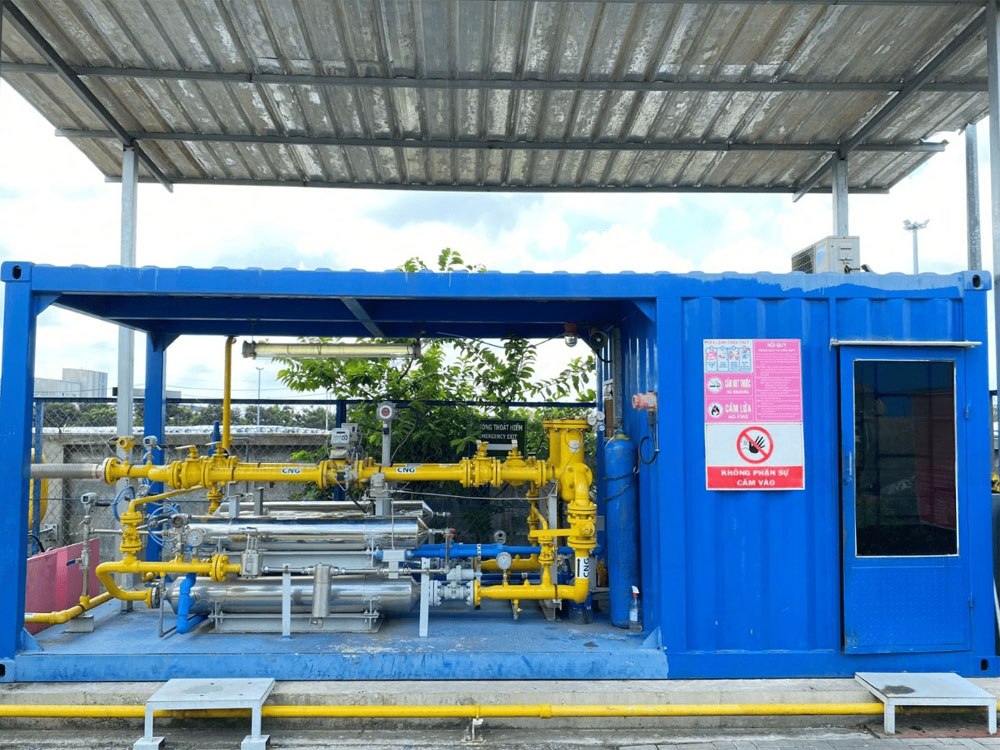
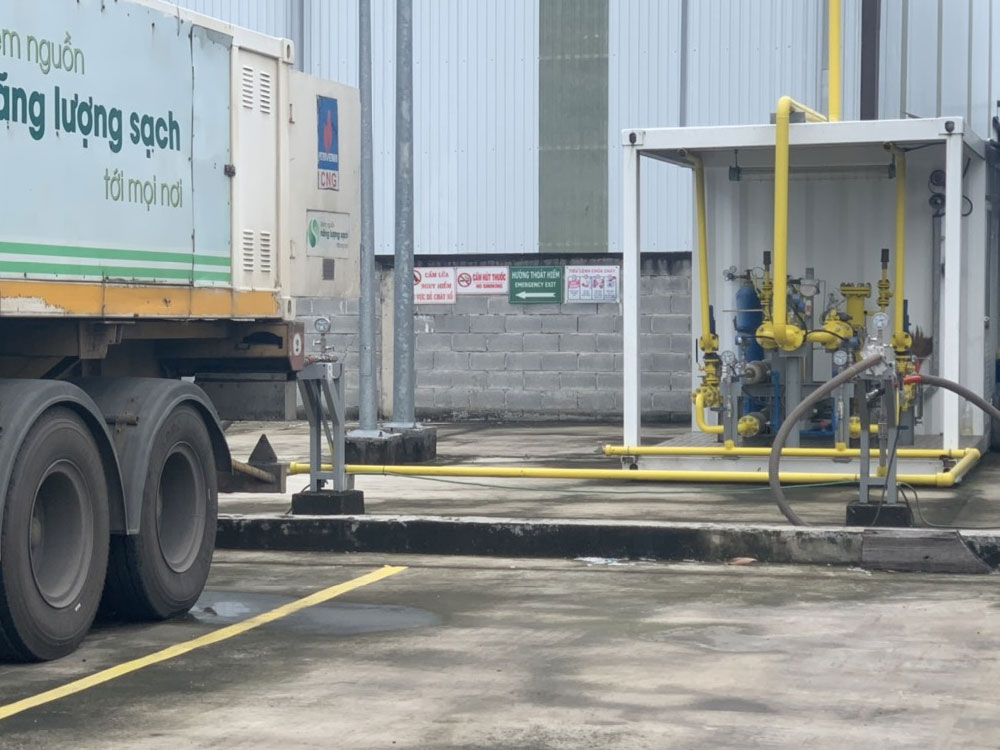
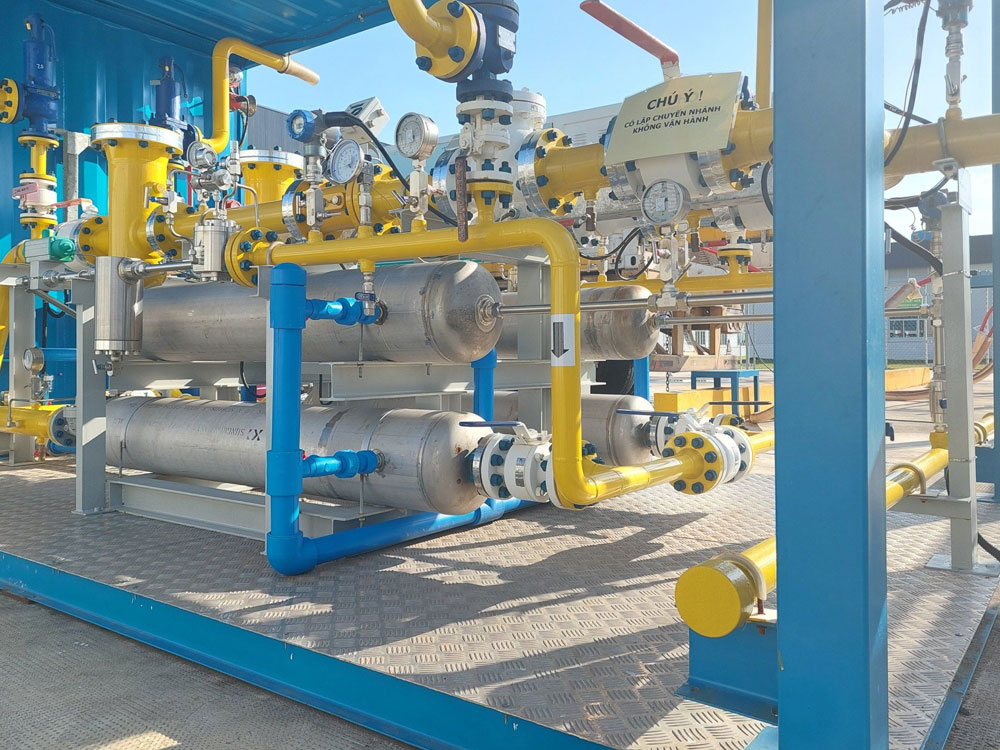
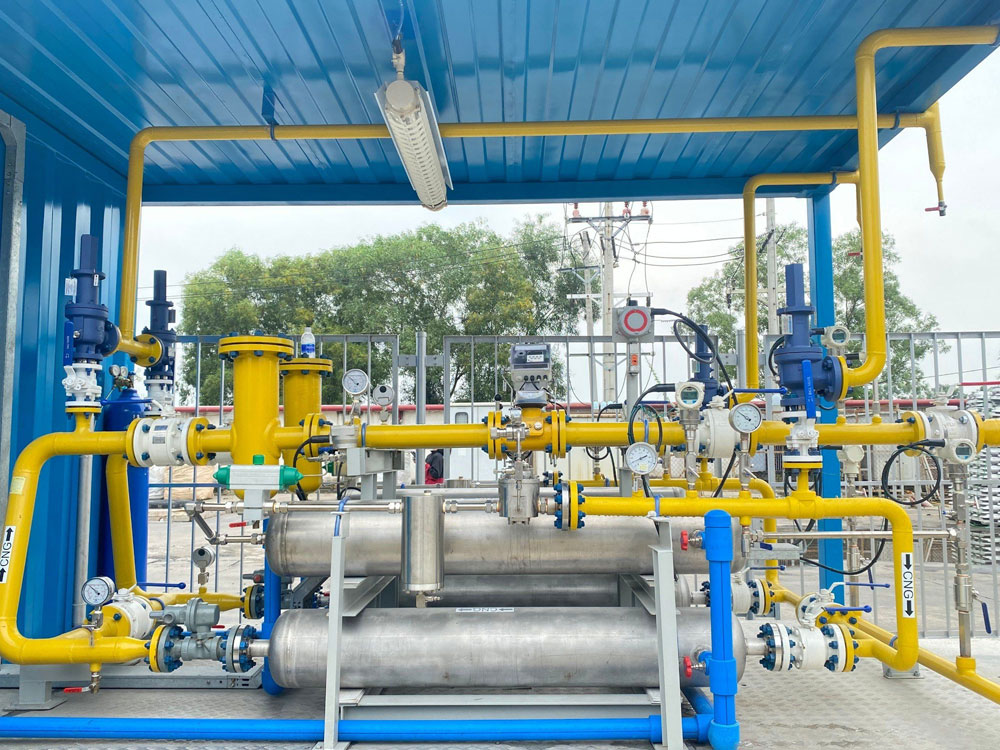
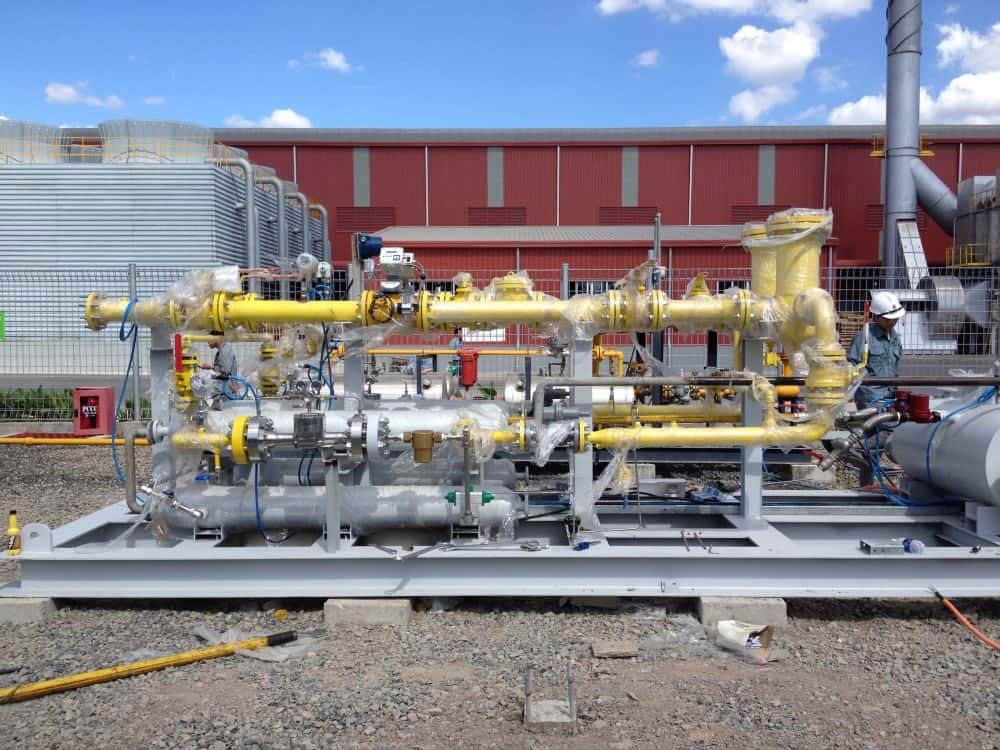
REAL PHOTOS
Service process